
Dancing Machine Is Released
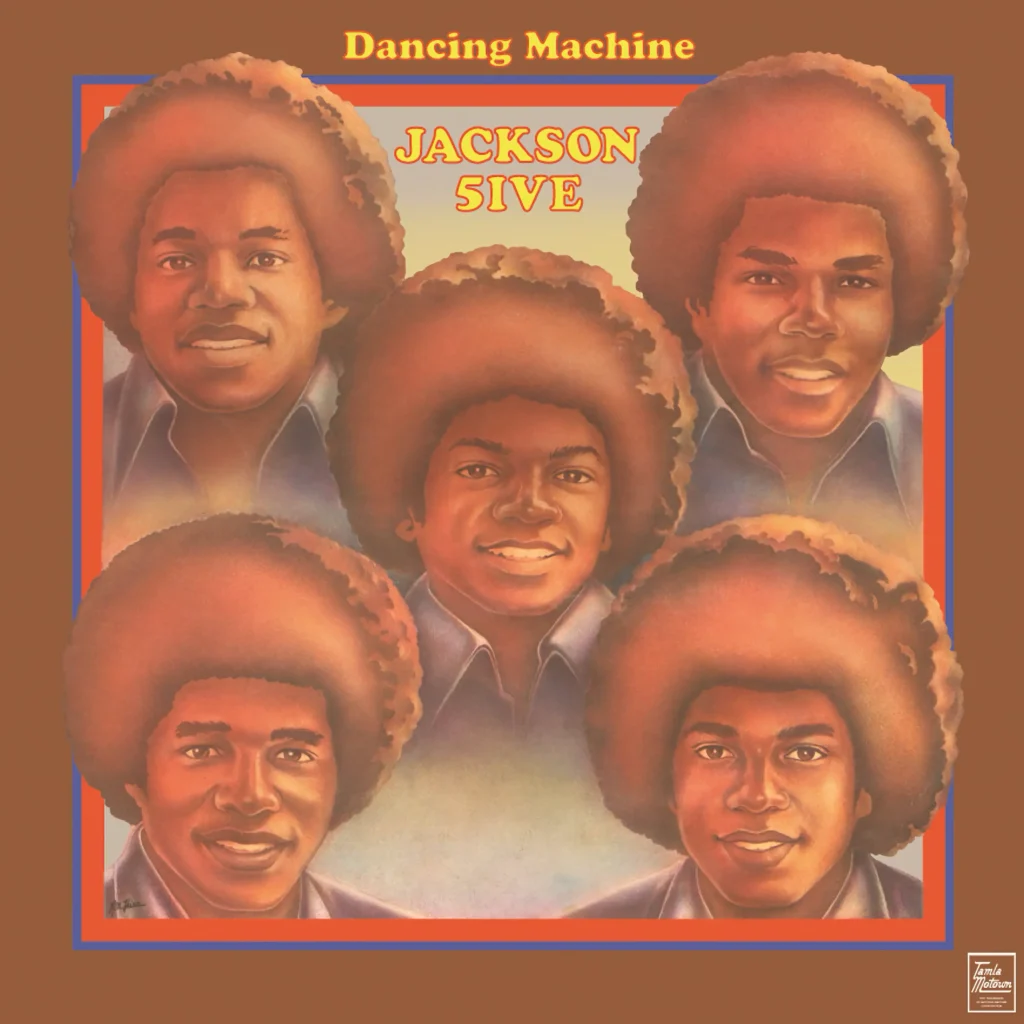
In September 1974, the Jackson 5 release Dancing Machine, their ninth studio album on Motown Records. By this time, their relationship with the label has begun to strain, as they push for more creative control while Motown continues to dictate their material and image. The album is largely a mix of previously recorded tracks and new material, reflecting the group’s transitional phase. Despite this, it produces one of their biggest hits and a defining moment of their career.
The title track, “Dancing Machine,” originally appears on their 1973 album G.I.T.: Get It Together, but Motown reissues it as a single in February 1974 with a more radio-friendly edit. The song, featuring a pulsating funk groove and Michael’s urgent, robotic delivery, quickly climbs the charts. In May, it peaks at No. 2 on the Billboard Hot 100, marking the Jackson 5’s biggest hit since “I’ll Be There” in 1970. It also reaches No. 1 on the R&B chart, reaffirming their dominance in the genre. The single sells over a million copies and earns a Grammy nomination for Best R&B Vocal Performance by a Duo, Group, or Chorus.
A key factor in the song’s success is the group’s electrifying performances of it on television, most notably on Soul Train and The Mike Douglas Show, where Michael introduces the now-iconic robot dance. His sharp, mechanical movements captivate audiences, helping to popularize the robotic dance style in mainstream culture.
While Dancing Machine produces a smash hit, the rest of the album fails to match its impact. It includes a mix of upbeat tracks like “Life of the Party” and “What You Don’t Know,” as well as ballads such as “If I Don’t Love You This Way.” Some songs, like “I Am Love,” show a departure into rock and funk fusion, with Jermaine taking a prominent vocal lead. The album reaches No. 16 on the Billboard 200 and No. 1 on the R&B albums chart, making it a commercial success, though it doesn’t match the blockbuster performances of their earlier releases.
By the time Dancing Machine is released, the Jackson 5 are already looking ahead. Frustrated by Motown’s refusal to let them write and produce their own music, they begin considering a move to another label. Within a year, five of the six brothers, excluding Jermaine, will leave Motown and sign with Epic Records, rebranding themselves as The Jacksons. Dancing Machine stands as one of their last major triumphs under Motown, a closing chapter on their early career and a glimpse of the innovations Michael will bring to the industry in the years ahead.