
Music & Me Is Released
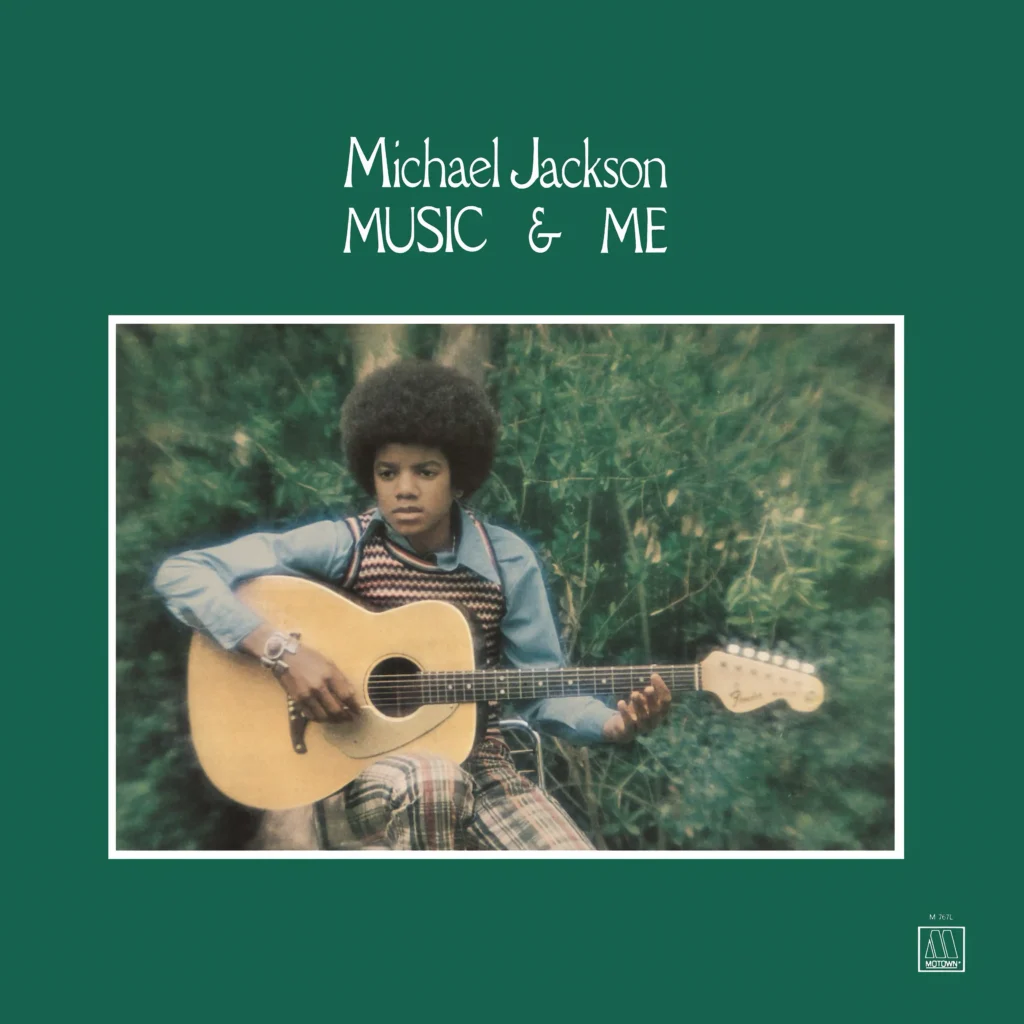
In April 1973, Motown releases Music & Me, Michael Jackson’s third solo studio album. At just 14 years old, Michael has already established himself as a solo artist with Got to Be There and Ben, but Music & Me arrives with little fanfare and modest commercial performance. The album is a mix of pop and soul ballads, with a focus on Michael’s tender vocals rather than the energetic, youthful spirit that defines his work with the Jackson 5.
Motown chooses “With a Child’s Heart” as the lead single, a remake of a 1966 Stevie Wonder song. The track reaches No. 50 on the Billboard Hot 100 and No. 14 on the R&B chart, making it the album’s most successful song. While it doesn’t match the chart performance of previous singles like “Ben” or “Rockin’ Robin,” it highlights Michael’s evolving vocal maturity.
Of the ten songs, more than half are covers, including Stevie Wonder’s “With a Child’s Heart” and “All the Things You Are,” a standard from the 1939 musical Very Warm for May. Other tracks, like “Too Young” and “Happy” from Lady Sings the Blues, further reflect the album’s soft, polished sound. The title track, “Music and Me,” is one of the few original songs and later becomes a fan favorite despite not being released as a single.
Unlike Michael’s previous solo albums, Music & Me does not produce a major crossover hit. The album fails to chart on the Billboard 200 and sees only moderate sales. Critics note the lack of strong material and the absence of upbeat tracks that showcase Michael’s charisma. Motown’s approach to his solo career is increasingly at odds with his artistic ambitions, as the label continues to mold him as a soft balladeer rather than the dynamic performer he aspires to be.
Years later, Music & Me becomes a curiosity in Michael’s discography, often overlooked due to its subdued nature and lack of promotional push. Some of its songs appear on later compilations, but the album itself remains one of the least discussed projects of his early career. While it does not propel Michael forward as a solo star, it serves as another step in his artistic journey—one that he will soon take full control of as he moves beyond Motown.